How Husky Changed Russian Rap
A kid from Ulan-Ude’s Vostochny district, a straight-A student of Russian and the author of the album “Khoshkhonog”. How Husky changed Russian rap.
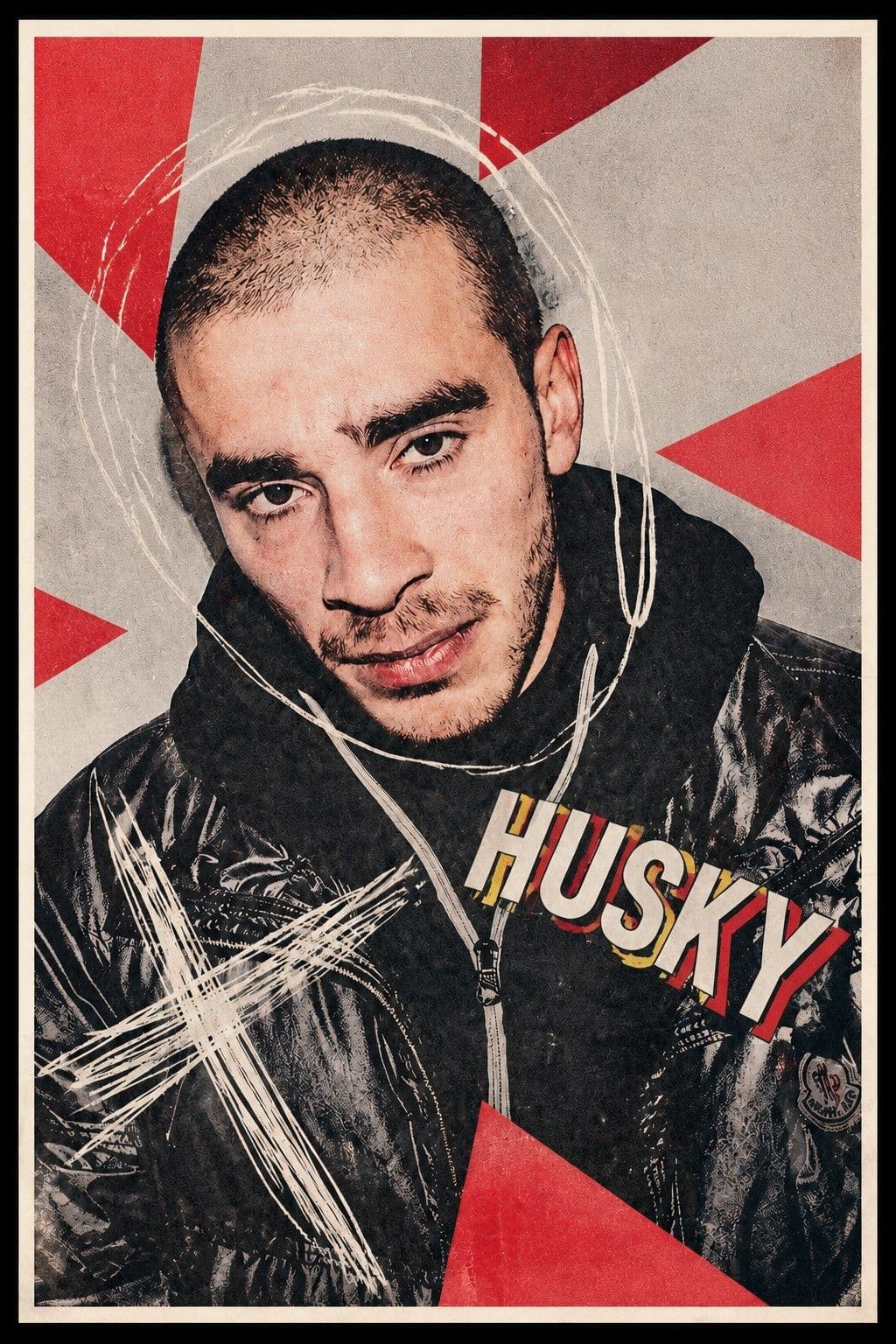
Husky is the stage name of Dmitry Kuznetsov. He was born in 1993 in Irkutsk but moved to Buryatia at three months old: his early childhood was spent in a village with his aunt, and his school years in Ulan-Ude’s Vostochny district.
From Vostochny to Moscow State University
He started writing rap at 15, inspired by Kasta and Mnogotochie. In 2010 he graduated from Lyceum No. 27 in Ulan-Ude, scored 100 out of 100 on the state exam in Russian and entered the journalism faculty of Moscow State University.
A new language
Husky is known for his unusual delivery, dark lyrics and intricate rhymes built on assonance and alliteration. Where many chased punchlines, he wrote dense, image-rich, almost poetic verse. The albums “sbch zhzn” (2013) and “Favourite Songs of (Imaginary) People” (2017) made the style recognisable; the latter debuted at No. 4 on iTunes and No. 5 on Google Play.
The video as a statement
His “Iuda” video was named the best indie video of 2018 at the Jager Music Awards, and the song “Poem about the Motherland” is dedicated to his native Ulan-Ude, with the video shot in Buryatia and in Vostochny itself.
2018: a story that united the scene
In November 2018, after a concert in Krasnodar was cancelled, Husky tried to rap for the fans from a car roof and was jailed for 12 days. Kasta, Oxxxymiron, Noize MC, Basta, Schokk, Leonid Parfyonov and others spoke up for him. On 26 November the ruling was overturned, and that evening Oxxxymiron, Noize MC and Basta played the joint concert “I Will Sing My Music”.
“Khoshkhonog”: Buryatia in the title
His third album, released on 25 September 2020, is named after a traditional Buryat dish and dedicated to the punk poet Ugol and the Buryat poet Namzhil Nimbuev.
Where to start
“Chernym-cherno”, “Panelka”, “Iuda”, “Poem about the Motherland”, “A Man on the Internet” and the whole “Khoshkhonog” album.
Photo: Kerrin Key, CC BY-SA 2.0, Wikimedia Commons.